

Caller ID Spoofing Explained: How to Spot, Stop, and Protect Yourself

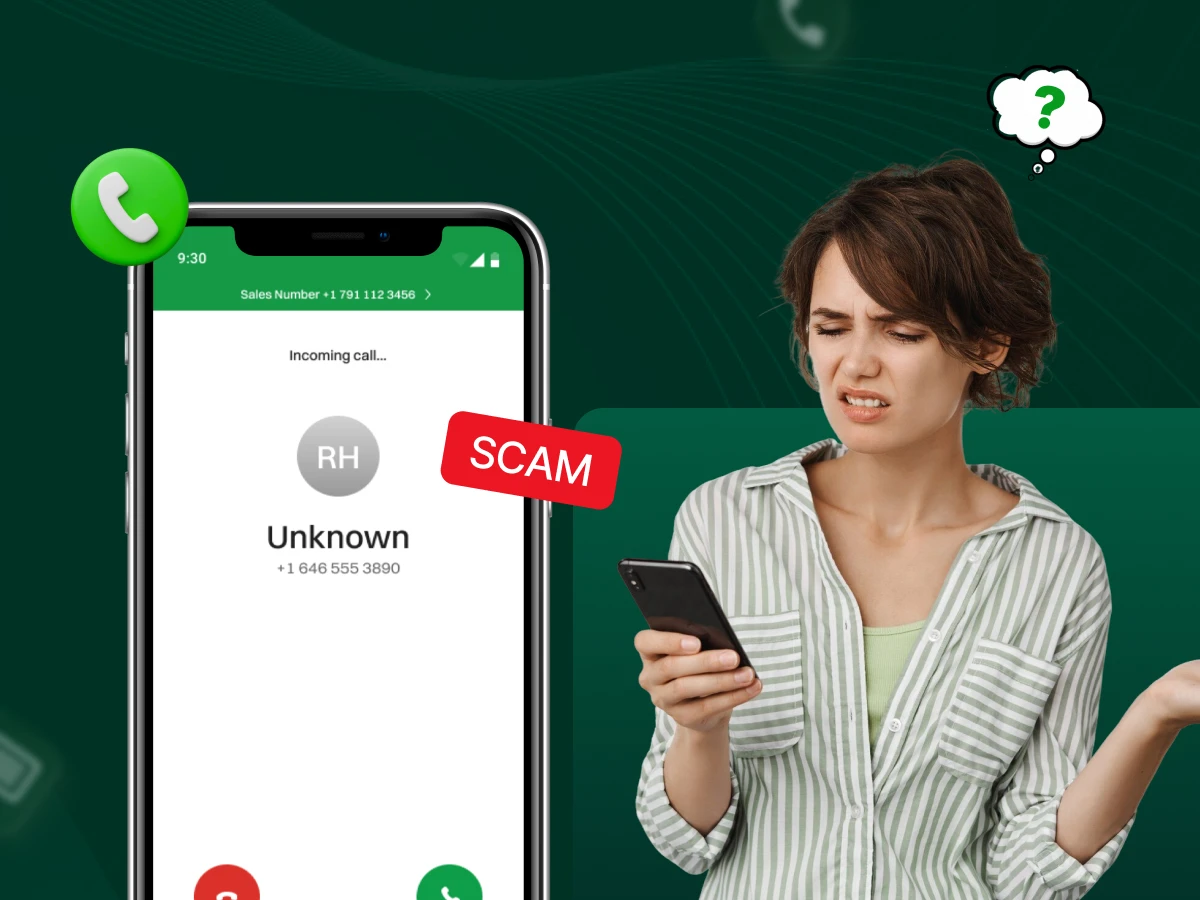
What if your phone rings with a number from your town, but a thief is on the other side? It is the scary truth about caller ID spoofing, which puts your personal information at risk every day. Scammers use fake names on your phone screen to steal your money through clever phone calls.
You should not ignore this big threat in our digital world today. This guide is your best defense against these dangerous spoofing scams.
We show you a simple way to spot a hacker and take back control of your mobile device. You will learn how to stop the noise and protect your family from unwanted calls right now.
Honest businesses use caller ID spoofing to work better with customers. When companies have many phone lines, they show one main number on your screen. This helps customers know who is calling and makes everything clearer and more professional for everyone involved.
Companies want you to see their main business number, not random worker phones. When employees call from different places, the company number still shows up. This keeps things organized and simple. You can save one number and always call back to the right place easily.
Businesses protect their employees’ personal phone numbers from strangers and the public. Workers calling from home use systems that hide their real numbers completely. Only the business number appears instead. It stops customers from bothering workers during their personal time at home.
When you see a familiar business number, you feel safe answering the call quickly. You know exactly which company is calling without any confusion or worry. This recognition creates better relationships. People answer calls more often from numbers they already recognize and trust completely.
Caller ID spoofing occurs when a caller deliberately falsifies the information displayed on your phone screen. It hides the true source of the call to trick you into answering the phone.
For example, you might see a phone call from your local hospital. When you answer, a hacker asks for your Social Security numbers. They use a trusted identity to steal your money.
Criminals often target people in the United States or the United Kingdom. They want to cause harm or wrongfully take what you own. This practice makes it very hard to trust your own device.
Neighbor spoofing is the most common trick today. Criminals use your area code, so you think a friend is calling. They want you to feel safe enough to share personal data over the line.
The Federal Communications Commission says it is a major problem. Most spoofing scams are illegal when they aim to defraud you. You must stay alert whenever an unknown person calls your mobile device.
Criminals use an authentication system that allows them to choose any phone number to display. They connect through internet protocols that let them bypass the traditional phone company hardware to cause harm.
Software tools are the primary way these criminals hide. Scammers use special apps to mask their true location and name. These tools allow a hacker to type any name they want into the system.
Data packets carry the fake information across the network. The caller ID information is changed before it hits your mobile device display. This process happens in a split second during the digital connection.
Global reach is a major advantage for these thieves. A hacker in a distant country can look like he is in your city. They use the internet to jump across borders without any extra cost.
VoIP services allow for massive scale in these attacks. These technologies make it cheap for scammers to make millions of phone calls daily. They can hit thousands of targets at the exact same time.
The goal is to harm or wrongfully obtain your valuable assets. They use these scam scripts to sound very official. They hope you do not notice the tiny errors in their fake story.
Scammers buy lists of phone numbers from the dark web. They target specific people to increase their success rate. This makes the spoofing scam feel very personal and dangerous to the average person.
Hackers want to trick you so you don’t feel suspicious. They change the caller ID information to control your feelings and make you trust them.
Learning about these tricks helps you stay careful when unknown calls arrive. Scammers follow certain plans to make money from their fake calls.
They watch how people act to find easy ways to steal private details from regular folks. Here are their main goals:
Criminals want you to think the caller is someone safe and trustworthy. They copy your local phone numbers so the call looks familiar to you. They might even use a vanity phone number that looks like a well-known business.
You answer more often when the numbers seem like they’re from your neighborhood. This trick makes victims feel safe before the conversation even starts.
For example, a scammer shows a number from your local store or school nearby. You see your town’s name displayed and feel comfortable answering.
You pick up thinking a neighbor is calling, but a scammer is actually waiting on the other end.
Fear is a powerful tool used in many spoofing scams to stop you from thinking. They often pretend to be a powerful government agency like the Federal Communications Commission or the IRS.
This sudden stress makes you share personal data without checking the authenticity of the scary claims being made.
Imagine a phone call where the person claims to be from the Social Security office. They tell you that your identity has been stolen and your bank accounts are now frozen. They demand that you buy gift cards immediately to protect your remaining money from a fake digital thief.
Criminals change their phone numbers after every single attempt to reach a new person. This tactic allows them to bypass your robocall blocking tools and call handling filters. They stay one step ahead of the authentication system used by the phone company to flag suspicious activity.
For instance, you might block an unwanted call entry from a specific digit string today. Tomorrow, the same scammer calls you again using a different set of numbers. This constant shifting makes it very hard for a simple call blocking app to stop every single attack.
The final aim of a spammer is always voice phishing, which is also known as vishing in the security world. They want to trick you into revealing a password or sensitive account numbers.
Their primary mission is to harm or wrongfully obtain your wealth through these deceptive digital technologies.
An example of this occurs when a caller asks you to “verify” your bank details. They might already have your name ,but need your personal information to log into your portal. Once they have your data, they transfer your funds to a different country in a matter of minutes.
Scammers create a sense of crisis to prevent you from hanging up the phone. They claim that your personal information is at risk or that a legal warrant exists.
This high-pressure tactic aims to make you panic so you follow their instructions without asking any questions. They want you to feel that you must act this second to save your money.
For example, you receive a call from someone claiming to be from a government agency. They state that you owe back taxes and will be arrested in one hour. Because the caller ID display looks official, you might feel tempted to pay them just to stop the threat. This is a classic scam alert designed to steal your assets through fear.
A major red flag is any request for an unusual form of payment over the phone. Real businesses or the federal government will never ask for gift cards or crypto.
They use official mail and secure portals for all financial transactions. If a caller asks for a wire transfer, you are almost certainly talking to a hacker who wants to harm or wrongfully obtain your funds.
Imagine a scammer calls claiming your utility bill is overdue, and your power will be cut. They tell you to go to a local store and buy five hundred dollars in gift cards. They then ask you to read the codes over the phone to settle the debt. No real company operates this way, and this is a clear sign of a spoofing scam.
This tactic is a clever way to get a recording of your own voice for illegal use. The caller pretends they are having trouble with their headset or connection. They wait for you to say the word “yes” into the mobile device.
They can then use that specific audio clip to authorize charges or access your voice mail account without your permission.
For instance, the phone rings and you hear a voice ask, “Hello? Can you hear me okay?” You naturally answer “yes” to be helpful to the person on the line. The scammer then hangs up immediately because they have the sound they need. They might use that “yes” to sign you up for a service that adds fees to your phone service bill.
You should always look for a disconnect between the caller ID and the actual person speaking. A spoofed call might display a bank name, but the person sounds unprofessional or uses a scam script.
They might ask you to “verify” personal data that a real bank should already have in its databases. This lack of basic knowledge is a huge warning sign for consumers.
For example, the phone screen shows the name of your local credit union. The caller asks for your full account numbers and your online login password to “fix a glitch.” A real employee would never ask for your secret codes over a phone call. This mismatch between the trusted logo on your screen and the request proves the call is fake.
The easiest way to verify authenticity is to try and reach the caller back on your own terms. Most spoofed numbers are either disconnected or belong to an innocent person who has no idea their digits are being used.
If you cannot reach the exact same person by dialing the number back, you are dealing with a hacker.
Suppose you get a call from a government office, and you feel suspicious about the request. You hang up! and dial the exact phone number that showed up on your log. An automated message says the number is not in service, or a confused neighbor answers. This confirms the original call was part of a caller ID spoofing attempt to trick you.
Automated robocalls that use a computer voice are very common in the world of spoofing. These calls often claim to be from “Amazon Support” or “Windows” regarding a fake order.
They use these technologies to cast a wide net and find any victim who might believe the story. If you hear a machine talking, it is likely one of many unwanted calls.
An example of this is a message stating that a large purchase was made on your account. The recording tells you to “press one” to speak to an agent and cancel the charge. Once you press the button, you are connected to a criminal who tries to get your account statement info. This is a trap to gain access to your personal information.
You need a strong defense to stop unwanted calls from reaching your home or office. Using multiple technologies ensures that scammers cannot harm or wrongfully obtain your assets.
These layers of safety work together to create a digital shield around your personal information and your bank.
Most major phone companies provide free tools to identify and block spam calls at the network level. You can activate services like T-Mobile Scam Shield or Verizon Call Filter through your provider’s website. These tools use a massive authentication system to show phone numbers as spam.
As an illustration, in case you have AT&T, you can activate the Call Protect feature on your account. The system will check the caller ID information in real-time when a hacker attempts to approach you. In case it is a match with a familiar scam alert, the system blocks the call from being received.
Modern smartphones like the iPhone and Google Pixel have free tools to block robocalls. On an iPhone, you can use “Silence Unknown Callers” to stop strangers from ringing. Google Pixel users can use “Call Screen” to let the phone answer for them.
For instance, a Pixel user can tap a button to ask the caller why they are calling. You see their words as text on your phone screen. This helps you decide if you should answer the phone or block a hacker instantly.
Extra apps like Hiya or Nomorobo provide even more safety for your mobile device. These tools use large databases to identify a spoofed call before you pick up. They are great at stopping unwanted calls that a normal phone company might miss.
They are particularly effective at preventing neighbor spoofing since they are aware of bad calling patterns.
One such instance is the use of the Nomorobo application on your home phone number. Once a robocall has been initiated, the app will look up the source on its global list of known scammers. In case of a match, it picks up the call on the first ring of the day.
Upgrade to a professional business phone system that keeps your personal number private and secure.
You should register every phone you own with the National Do Not Call Registry at usa.gov. This list tells legitimate businesses that you do not want to receive any sales phone calls. While it does not stop a hacker, it helps you identify unwanted calls more easily.
For instance, once your mobile device has been on the list for thirty days, most legal telemarketers will stop. If the phone rings and someone tries to sell you a service, you can be sure it is a spoofing scam. You can then hang up! fast.
Scammers usually access your personal information by scanning an open web page or social networking account.
You ought to limit your exposure by removing your phone number from social networking sites such as Facebook or LinkedIn. You may also address data brokers and ask them to destroy your sensitive identity.
As an illustration, you can visit your Google account settings and make use of the ‘Results about you’ tool. After that, you can make a request to delete such search results.
In order to remain safe from caller ID spoofing, you have to be aware of the primary tools at your disposal.
These are some techniques that will assist in blocking spam calls and ensuring your personal information is not compromised. They are all easy to track and offer a solid case to defend your mobile phone.
Your phone company has the best tools to stop spam calls before they reach you. You can use their free apps to check every incoming phone call for a scam alert. This is your first line of defense against a digital hacker trying to reach your home.
For example, T-Mobile users have an authentication system called Scam Shield. It looks at the caller ID information of every call to see if it is fake. If the system finds a spoofed call, it labels the phone screen so you do not answer the line.
The silent feature means spoofed calls or messages appear completely normal on your iPhone or Android phone. You see a familiar number, maybe your bank or government office, so you trust it. The spoofer hides their real identity perfectly, making their fake contact look legitimate and safe.
Your phone doesn’t warn you because everything looks correct on the screen. The caller ID shows trusted information, so you answer without suspicion. This silence lets scammers steal your personal information or money before you realize the call or message was fake all along.
Fighting back against caller ID spoofing helps everyone stay safe from future fraud. You should send a complaint to the Federal Communications Commission whenever you see a fake number. This helps the government take legal actions against the groups that cause harm to innocent consumers.
For example, you can go to the fcc.gov/consumers website to share your story. You provide the date, time, and the identity the caller tried to use. This information helps the bureau find the source of the unwanted calls and shut down their illegal hardware.
You now have the best tools to stop any hacker who tries to trick you. By using these layers of protection, you turn your mobile device into a safe fortress.
No longer will you fear a strange caller or fall for a scam alert on your phone screen. You have the power to protect your personal data and your money from threats.
Your focus is the best weapon against caller ID spoofing and digital fraud. Stay alert, stay safe, and always remember to hang up! on any suspicious activity you see today. This simple choice prevents the criminal from ever getting the chance to harm or wrongfully obtain your valuable files.
Ready to switch to a trusted, secure communication platform for your team?
You cannot stop a hacker from trying to use a fake number to call you. However, you can stop these unwanted calls from reaching your ear by using call blocking tools.
It is scary if someone uses your phone number to trick others, but you are not in trouble. Most scammers use a number for a short time and then move on to a new one. You should inform your phone company if you get many angry calls from people you have never contacted.
It is very hard for a regular consumer to trace these phone calls back to the real source. Criminals use the internet to hide their true location from the standard authentication system. The Federal Communications Commission is the only group with the power to truly find the person behind the fraud.
Look for a high-pressure scam alert where the caller demands immediate payment or your personal information. If the person sounds unprofessional or asks for your password, it is likely a fake call. Always hang up! and call the real company back using a number from their official website.
Spoofing is legal for some uses, like a doctor showing an office number on a phone screen. However, it is illegal to cause harm or wrongfully steal personal data from any victim. The government has strict rules to stop scammers from using this tactic to steal money or identities.
